


₪5,950,000
4 rooms · 3 beds · 105 m² · Floor 2
Apartment · Ramban St, Rehavia, Jerusalem
- Elevator
- Sukkah balcony
- Storage room
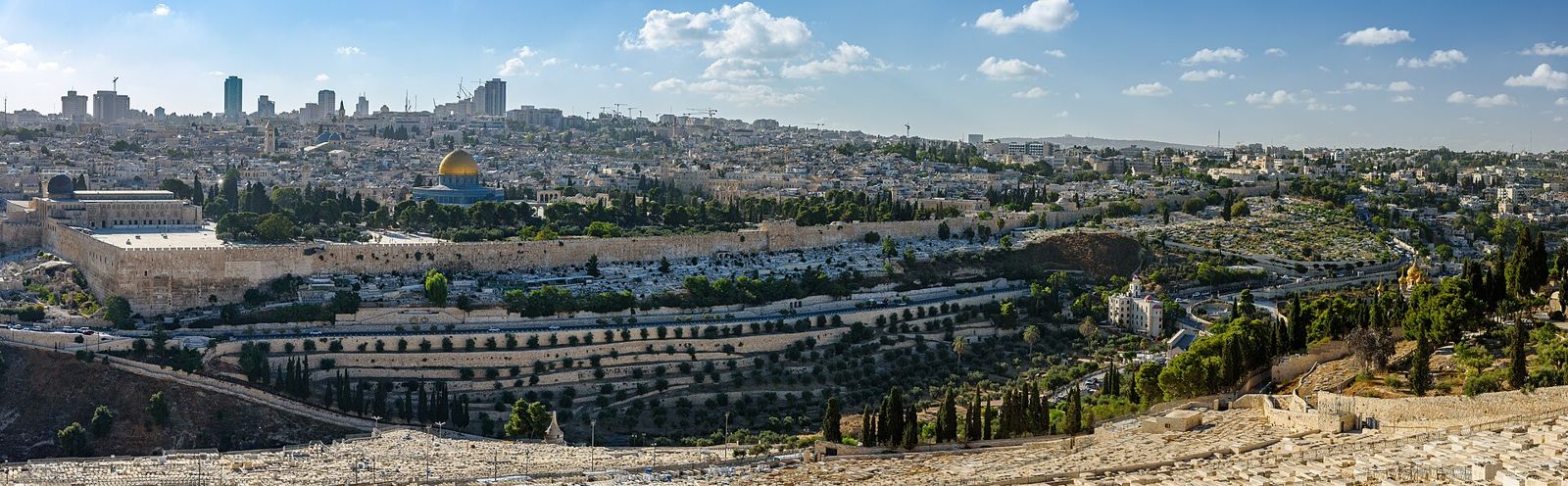
Jerusalem District
Israel's capital blends historic stone neighborhoods, green parks and a fast-growing cultural scene. Its residential areas range from leafy 1920s garden neighborhoods to newer family suburbs.
The Jerusalem Light Rail Red Line crosses the city, with further lines under construction. Israel Railways connects Jerusalem–Yitzhak Navon station with Ben Gurion Airport and Tel Aviv.
General information — check current schedules with the operator.
Planned in the 1920s by architect Richard Kauffmann as a garden neighborhood, Rehavia is known for its stone buildings with Bauhaus influences, quiet tree-lined streets and its walking distance to the city center.
An elegant central neighborhood of pre-state villas and stone apartment buildings, home to the President's Residence and the Jerusalem Theatre.
Founded by the Templers in 1873, the German Colony centers on Emek Refaim Street with its cafés and shops. Historic stone houses sit alongside newer buildings, and the First Station cultural complex is nearby.
A residential neighborhood mixing early 20th-century stone houses with apartment buildings. The Train Track Park (Park HaMesila) runs along its edge, popular for walking and cycling.
Old Katamon is a sought-after residential neighborhood of stone villas and low-rise apartment buildings, close to the Train Track Park and the shops of Emek Refaim.
A quiet residential neighborhood in south Jerusalem with garden homes and apartment buildings. The U.S. Embassy is located here. Not to be confused with arnona, the municipal property tax.
A cluster of small courtyard neighborhoods built from the late 19th century, with narrow lanes, small synagogues and the Mahane Yehuda market on its doorstep.
Median
₪7,450,000
₪52,550/m²
Median
₪8,550/mo
Median
105 m²
Range
45 m² – 220 m²
Based on 15 sample listings in the demo dataset — illustrative, not market statistics.
₪5,950,000
4 rooms · 3 beds · 105 m² · Floor 2
Apartment · Ramban St, Rehavia, Jerusalem


₪11,800,000
5 rooms · 4 beds · 160 m² · Floor 5
Penthouse · Abarbanel St, Rehavia, Jerusalem


₪8,900,000
5 rooms · 140 m² · Floor 3
Apartment · Jabotinsky St, Talbiye, Jerusalem


₪14,500/mo
4 rooms · 3 beds · 120 m² · Ground floor
Garden apartment · Marcus St, Talbiye, Jerusalem


₪4,250,000
3 rooms · 82 m² · Floor 1
Apartment · Emek Refaim St, German Colony, Jerusalem


₪10,200/mo
4 rooms · 3 beds · 105 m² · Floor 2
Apartment · Lloyd George St, German Colony, Jerusalem


